Pocket Coil vs. Hybrid: What UK Shoppers Should Know
A careful, non-partisan exploration of pocket coil mattresses and hybrid designs, with a focus on UK sizing, warranties, and what these technologies mean for comfort and durability.
In the quiet calculus of sleep, the bed is more than a stage for dreams; it is the stage itself. The pocket coil mattress, with its orchestra of individually wrapped springs, promises targeted support and motion isolation that lets a partner move without waking another. The hybrid, by contrast, is a conversation between spring and foam or latex, a dialogue that seeks to harness the best of two worlds. For UK shoppers navigating sizes, warranties, and the practicalities of nightly life, understanding these technologies is less about allegiance to a brand and more about decoding how a mattress behaves across a life’s rhythm of sleep, work, and recovery.
What is a pocket coil mattress, in plain terms?
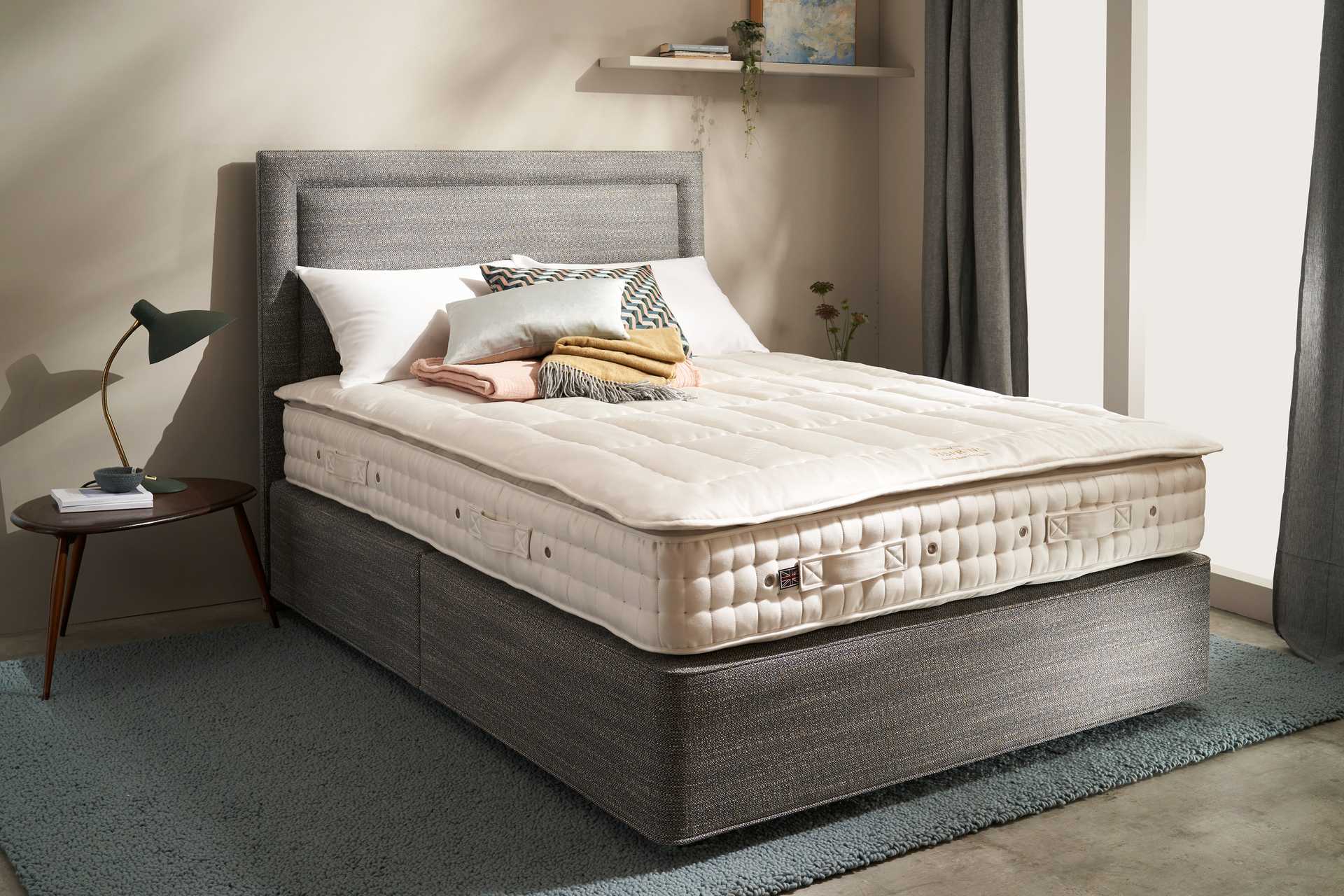
Pocket coil, or pocket sprung, mattresses rely on an array of individual coils each encased in a fabric pocket. This design allows each spring to respond independently to weight and contour to the sleeper’s body, providing localized support where it’s needed most. The pockets reduce the transfer of movement from one side to the other, which is particularly appealing to sleepers who share a bed and want to preserve distinct sleeping patterns. In the UK, pocket coil systems are a familiar fixture in many traditional and contemporary mattress models, often pitched as a balance of support, durability, and a responsive feel.
From a physics perspective, the value lies in decoupling motion. When you roll over or shift position, a single coil’s response does not force neighboring coils to mirror the action. The result, many users report, is a sense of stability around the hips and shoulders while still maintaining a comfortable contour along the spine. Real-world impressions of “loft,” “give,” and “firmness” are, however, ultimately a blend of coil count, gauge, spring system, and the comfort layers layered above the coils.
What is a hybrid mattress?
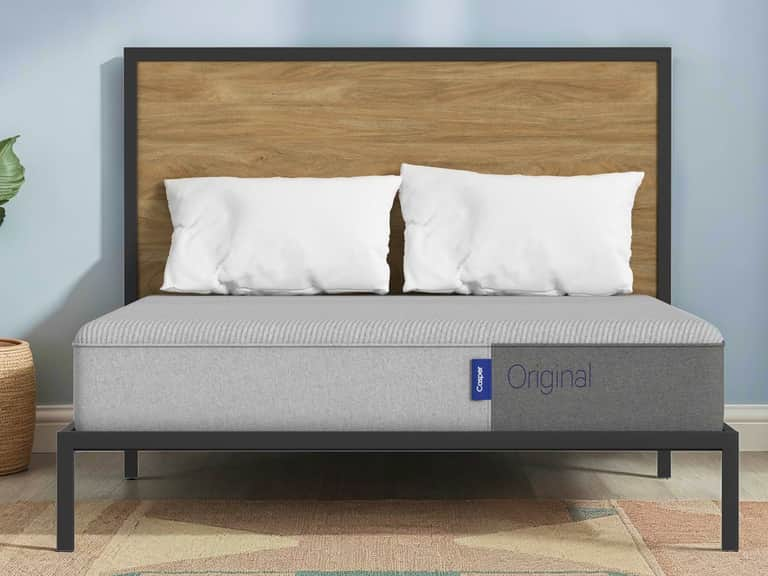
Hybrids join the old and the new: a core of springs—often a coil system, sometimes with zones for targeted support—paired with layers of foam, latex, or other cushioning materials. The goal is to marry the enduring resilience and durability of innerspring technology with the pressure-relieving characteristics of foam or latex. In practice, hybrids frequently offer a broader spectrum of feel, ranging from cradling softness to a crisper, more buoyant response. They can also create a more pronounced “sleep-on-top” experience, depending on the thickness and composition of the comfort layers.
In the UK market, hybrids are commonly positioned as versatile, middle-ground options that aim to suit a variety of sleep positions—from back sleepers seeking alignment to side sleepers craving pressure relief at the hips and shoulders. The precise balance between spring and foam determines not just a mattress’s initial feel but how it ages—density retention, contour stability, and the rate at which it softens or firms with use.
Firmness, durability, and how they age
The intangible, yet critical, question for most buyers is how a mattress will feel after months and years of use. Pocket coil systems, when well-constructed, tend to offer durable support across a broad band of firmness. A higher coil count can translate to a more nuanced body response, while the coil gauge (thickness) informs the overall resilience and the rate at which the system will respond under load. Durable pocket coil mattresses usually feature quality edge support and robust edge-to-edge stability, ensuring the sleeping surface remains consistent near the boundaries of the bed.
Hybrids, meanwhile, hinge on the longevity of both their springs and their comfort layers. The foam or latex layer can compress over time, potentially reducing perceived contour and pressure relief if the materials are susceptible to softening. In the UK, consumer guidance often notes the importance of the interchangeability of comfort layers and the capacity to sleep cool, which is influenced by the choice of cover fabrics and the under-structure’s ventilation.
Warranties and UK standards
Warranties function as a long-term promise, a form of social contract between the maker and the sleeper. In the United Kingdom, mattress warranties typically cover material defects and manufacturing faults for a duration that ranges from ten to fifteen years in many brands, with variations depending on the specific product and retailer. When evaluating pocket coil versus hybrid, the warranty can serve as a proxy for confidence in durability: the more robust the promise, the more a brand appears to be standing behind the sustained performance of its materials and engineering.
Beyond simple length, shoppers should note what warranties cover: visible sag, coil deformations, seam integrity, and the functioning of the comfort layers. Some policies include a sleep trial, which affords the buyer a window to test the mattress in real-life conditions. In the UK, consumer rights under the Sale of Goods Act and the Consumer Rights Act intersect with warranties in meaningful ways, providing recourse if a product fails under ordinary use within the guarantee period. Reading the fine print—how to report a defect, what constitutes normal wear, and what maintenance steps might be required—can save a night of uncertainty later on.
UK sizing, space, and fit
Size standards are a practical and often underappreciated part of mattress shopping. The UK market commonly uses standard sizes that align with bed frames, bedding, and room dimensions. A pocket coil mattress, with its variable height and edge construction, should fit within a given bed frame without compromising support or stability. Hybrids, which can vary more noticeably in their overall height due to layered materials, demand careful measurement against bed rails and under-bed clearance to ensure air flow and temperature regulation remains optimal for the sleeper.
Customers frequently compare options by length (typically 190 cm or 200 cm in the UK), width (150 cm for a UK double, 180 cm for a king, and 152 cm for a European double), and height. The choice of a pocket coil or a hybrid, then, becomes not only a question of subjective comfort but also of spatial fit—the bed’s proximity to walls, the practicality of getting in and out, and how room temperature interacts with the mattress’s surface over the course of a night.
Care and longevity: a framework for durable sleep
Durability in mattresses isn’t merely about raw materials; it is about maintenance, usage patterns, and the life cycle of the product. Pocket coil systems benefit from thoughtful support and rotation practices that help distribute wear across the surface. Many designers recommend rotating or flipping (where appropriate) to encourage uniformity, though not all pocket coil mattresses are designed for flipping. Edge protection—where the springs near the perimeter are reinforced—also matters, particularly for sleepers who sit on the edge while dressing or getting in and out of bed.
Hybrids require similar stewardship, with attention paid to the comfort layers—foam can develop soft spots or indentations with prolonged weight. Using a mattress protector can help shield against spills and help maintain hygiene and freshness, while regular airing and occasional deep cleaning of the protector can contribute to a longer lifespan. In the UK, where households often aim for energy efficiency, ventilation under the bed and breathable cover materials can also influence perceived coolness and comfort through the night.
Choosing between pocket coil and hybrid: a quick framework
For UK shoppers, a concise decision framework can illuminate the choice between pocket coil and hybrid without devolving into brand-centric speculation. Consider the following axes:
- Motion isolation: pocket coil systems excel at restricting movement transfer, ideal for couples with different sleep rhythms.
- Contour and pressure relief: hybrids can offer a more pronounced top-layer feel, depending on the foam or latex used.
- Temperature regulation: the layering and fabric choices influence heat dissipation, with breathable covers and open-cell foams aiding airflow.
- Durability and long-term comfort: coil-based systems often demonstrate stable support, while some foams can soften over time; warranty terms can clarify expected performance over years.
- UK-specific considerations: standard sizes, return policies, and warranty coverage within the UK market should guide confidence in a purchase.
A practical, non-biased checklist for UK buyers
Before you buy, orient your choice around a checklist designed for clarity and tangible outcomes. This is not a pitch; it is a framework to help you compare or write notes for later discussion with retailers or reviews.
- Identify your sleeping position and any pressure points you notice in that position.
- Define your preferred sleeping surface: do you want a cradling contour or a firmer, more buoyant feel?
- Assess whether you value motion isolation highly (for couples) or prioritize maximum airflow (for those who sleep hot).
- Consider the bed’s frame and space: verify UK dimensions and clearance for edge support and airflow under the bed.
- Review warranty specifics: what is covered, for how long, and under what conditions?
- Check for trial periods and return policies in the UK: how easy is it to exchange or return if the feel isn’t right?
- Inspect materials for allergens or sensitivities: cover fabrics, potential off-gassing, and the presence of natural vs. synthetic fills.
A note on the consumer landscape
The UK mattress market is as much about consumer confidence as it is about technical detail. A thoughtful comparison between pocket coil and hybrid not only explains how a bed works but also clarifies what a seller’s claims mean in practical terms—how a mattress performs during a night’s routine, how it feels after a month, and how a warranty translates into responsibility and service. The most resilient bed, in this light, is not the one that promises the most exotic materials, but the one that delivers consistent, restful nights year after year, with the traceable quality that a robust warranty implies.
Conclusion: clarity over allegiance
In the end, pocket coil and hybrid are not antagonists in a tug-of-war between comfort and durability; they are distinct approaches to the same problem: how best to cradle the body while keeping the bed practical and long-lasting. UK shoppers are uniquely positioned to weigh these considerations against local standards, warranty practices, and the realities of living with a mattress night after night. The most meaningful decision stems from patience, a careful reading of terms, and a commitment to a sleep that remains stable through the years—quiet, unpretentious, and reliably restorative.
Related product spotlight
Within the site’s current catalog, a product that aligns with the theme of durable comfort and practical warmth is the Original Cooling Pillow Double Pack. While not a mattress, this pillow’s design emphasizes an enduring, breathable support system with a cooling layer, mirroring the emphasis on long-lasting comfort that typifies UK sleep guidance. It serves as a companion piece for readers seeking a coherent sleep ecosystem, where the pillow’s response to movement and temperature complements the choice between pocket coil and hybrid mattresses. You can learn more about this item here: Original Cooling Pillow Double Pack.
Similarly, the Vispring Opulence Mattress Topper offers a luxurious topper alternative that speaks to durability and comfort across a composite sleep surface. While not a standalone replacement for a high-quality mattress, its emphasis on temperature regulation and layered comfort resonates with the broader theme of nurturing long-term sleep quality. More about this topper can be explored here: Vispring Opulence Mattress Topper.