Contour bedding is shaped to follow the natural curves of the head and neck, helping create a more supported sleeping position than a traditional flat pillow. Understanding contour design can help people compare pillows by shape, firmness, materials, and sleeping posture as part of a broader review of sheets, bedding, and organic mattresses.
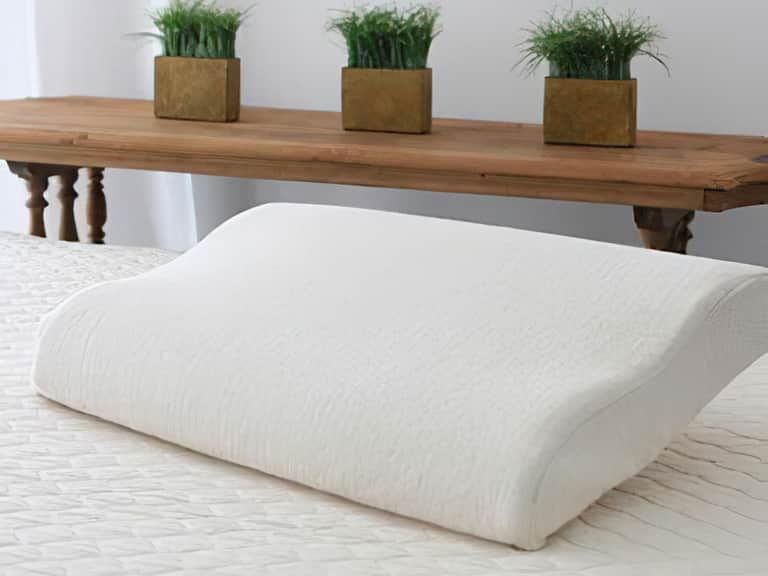
The Savvy Rest Organic Latex Contour Pillow has a curved profile designed to cradle the head while supporting the neck. Its contoured shape may suit people seeking a pillow that maintains a more consistent position during rest. Pillow comfort is personal, so sleeping position and preferred height are important factors when assessing fit.
Made with organic latex, this pillow offers a resilient alternative to some conventional synthetic fills. Latex generally responds to pressure and returns toward its original shape, which can help the pillow retain its supportive form over time. These material characteristics distinguish it from many memory foam pillows, which adapt differently to pressure and movement.
Contour pillows are commonly considered by back and side sleepers, although comfort depends on individual anatomy, mattress firmness, and pillow height. A well-matched contour can help fill the space between the head and shoulders without forcing the neck into an uncomfortable angle. People who change positions frequently may prefer evaluating the shape before choosing.
When comparing contour pillows, consider the latex composition, profile, firmness, and care guidance alongside other bedroom essentials such as breathable sheets and supportive bedding. Organic latex pillows may appeal to people prioritizing natural materials, while organic mattresses address similar material preferences at the sleep surface. Product specifications provide the clearest basis for comparison.
 Bedding